

Suggestions
Ribeauvillé discovery tour
- 1h
- Easy
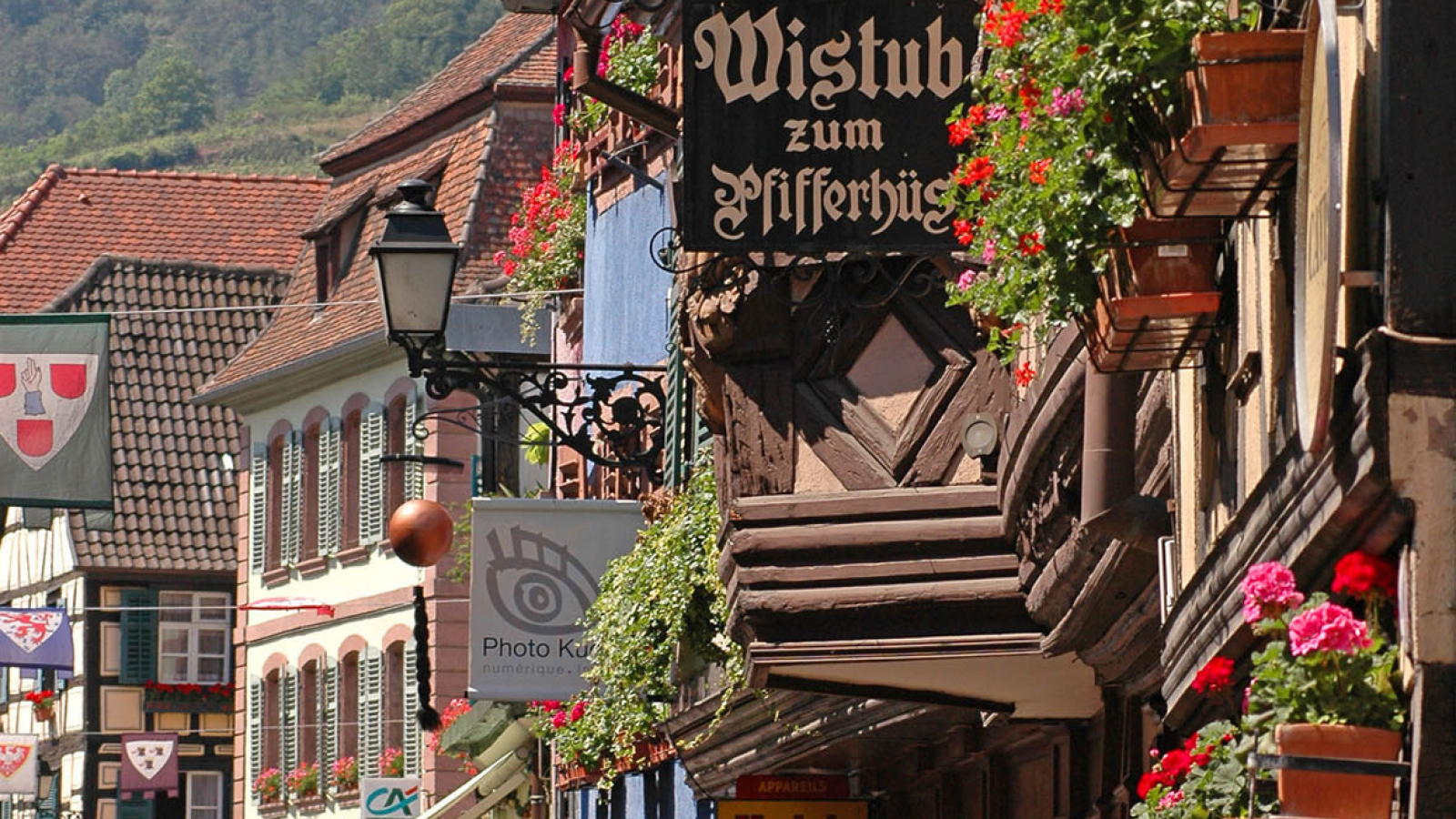
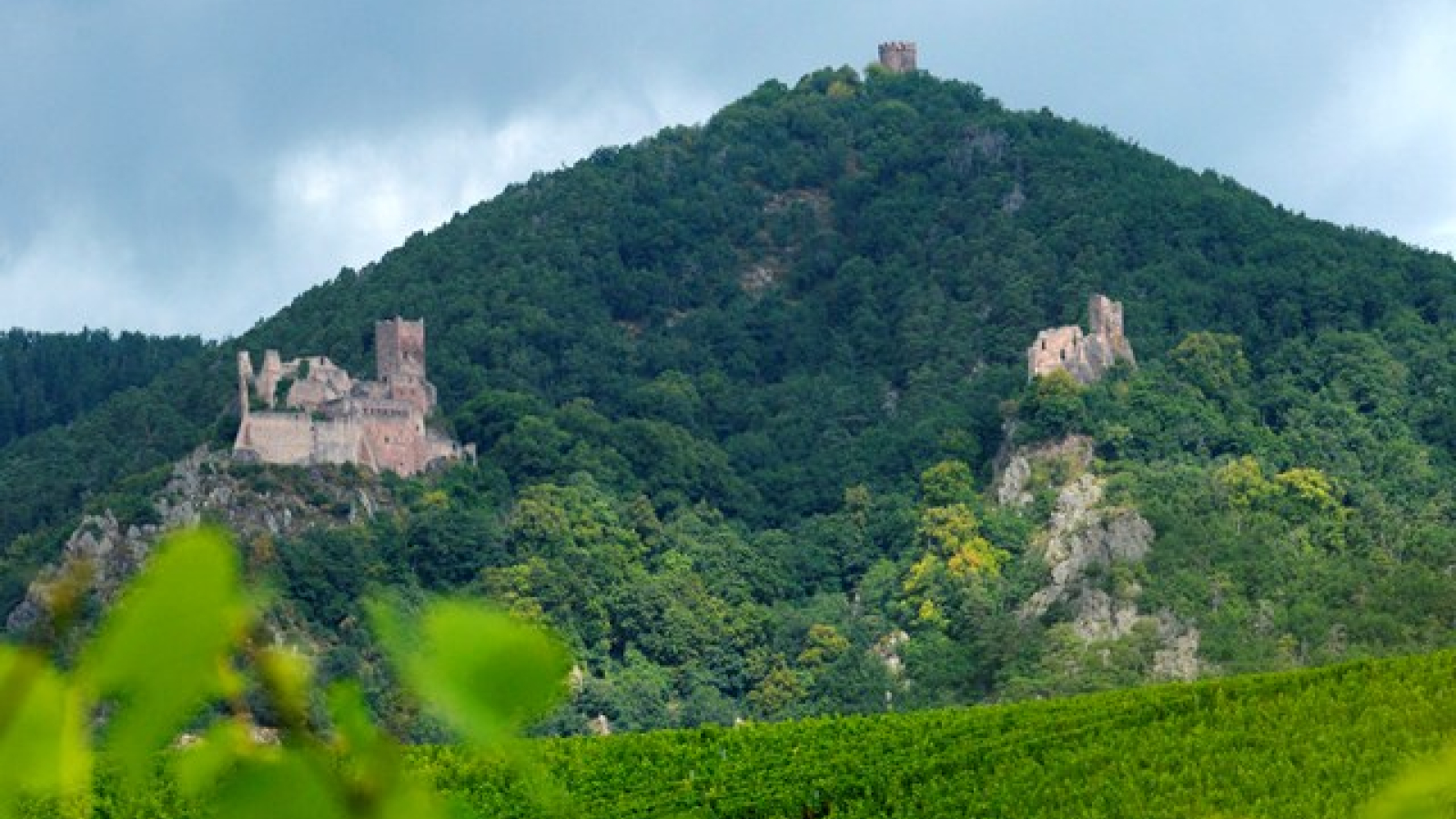
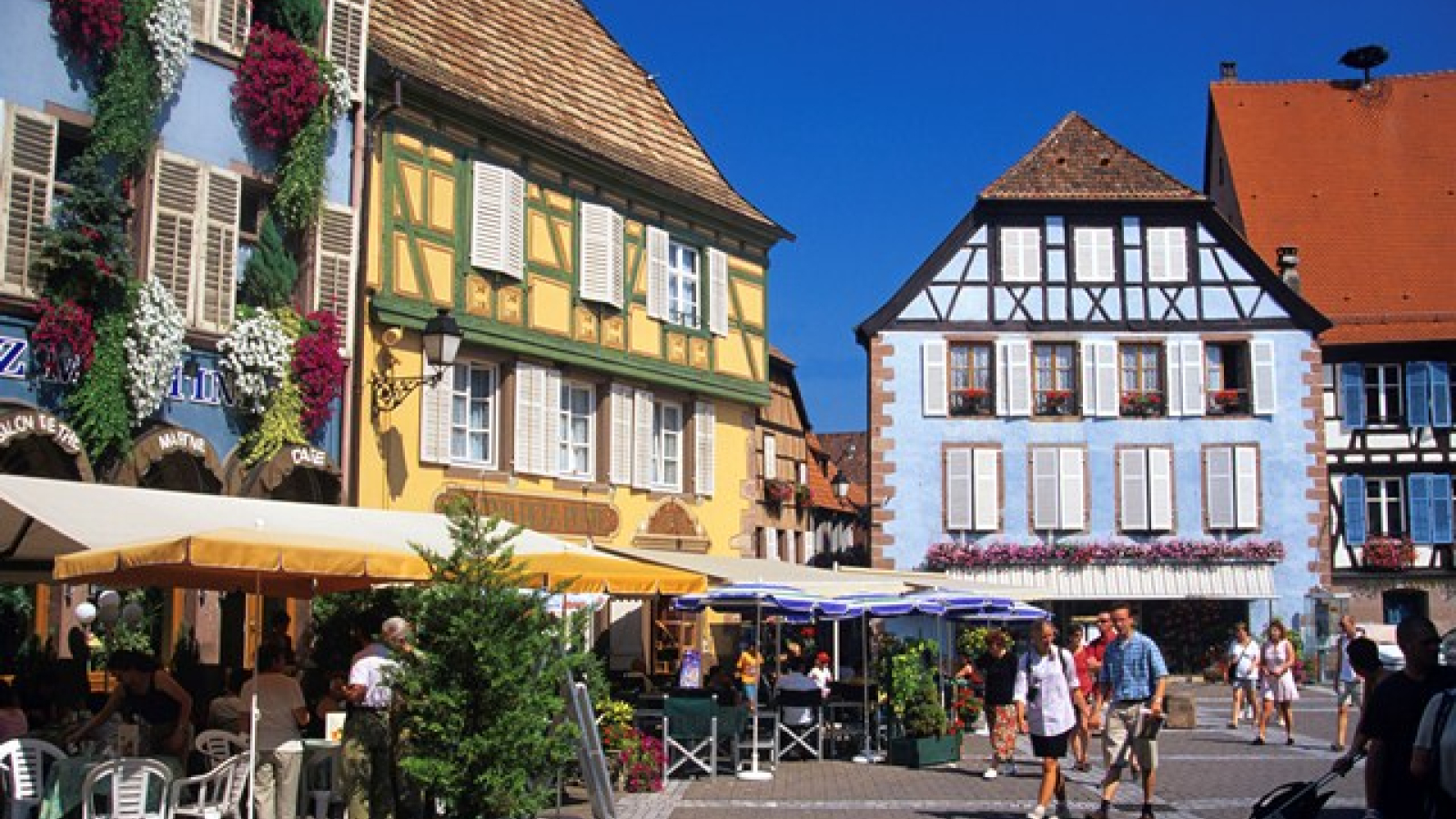
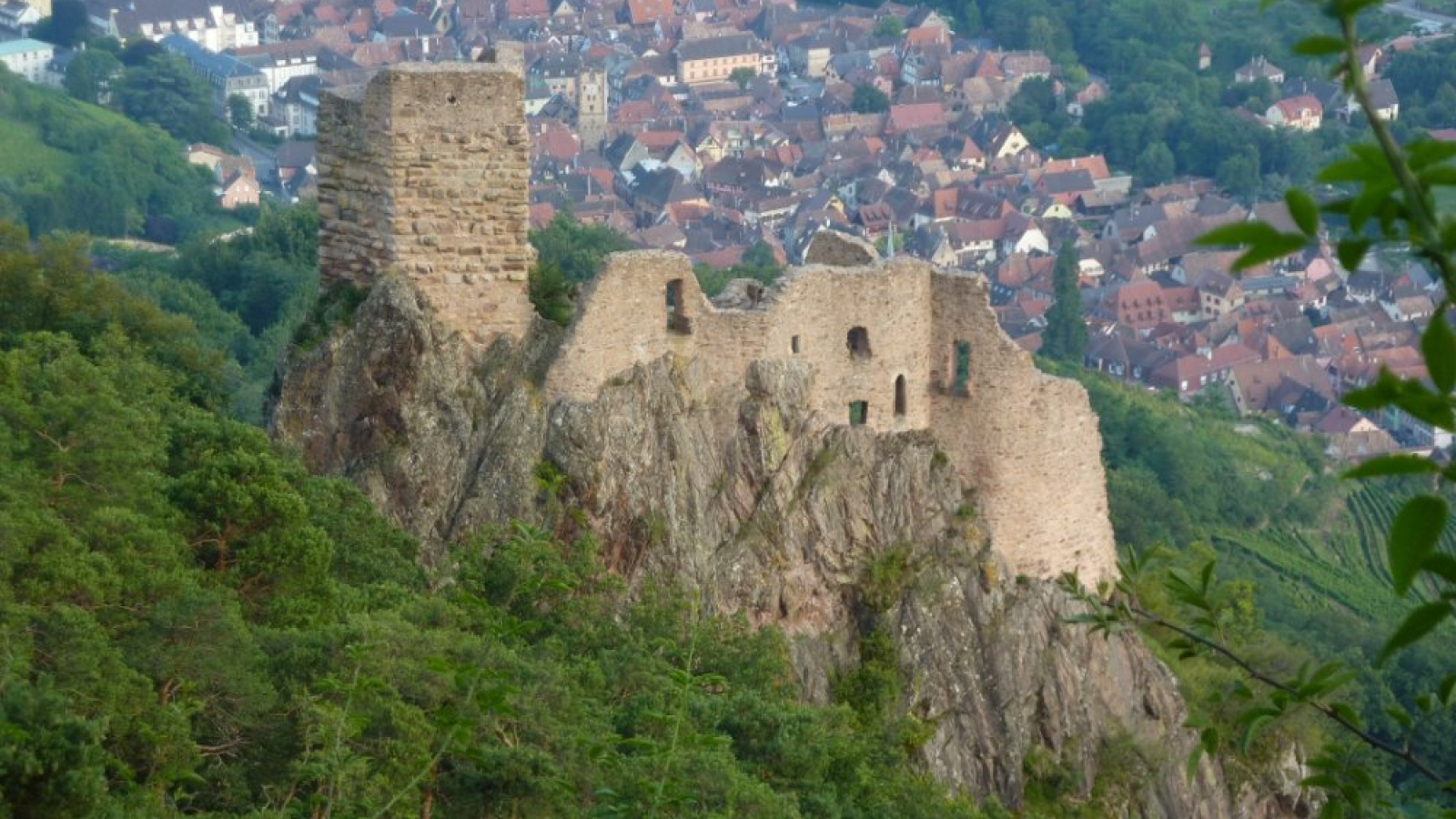
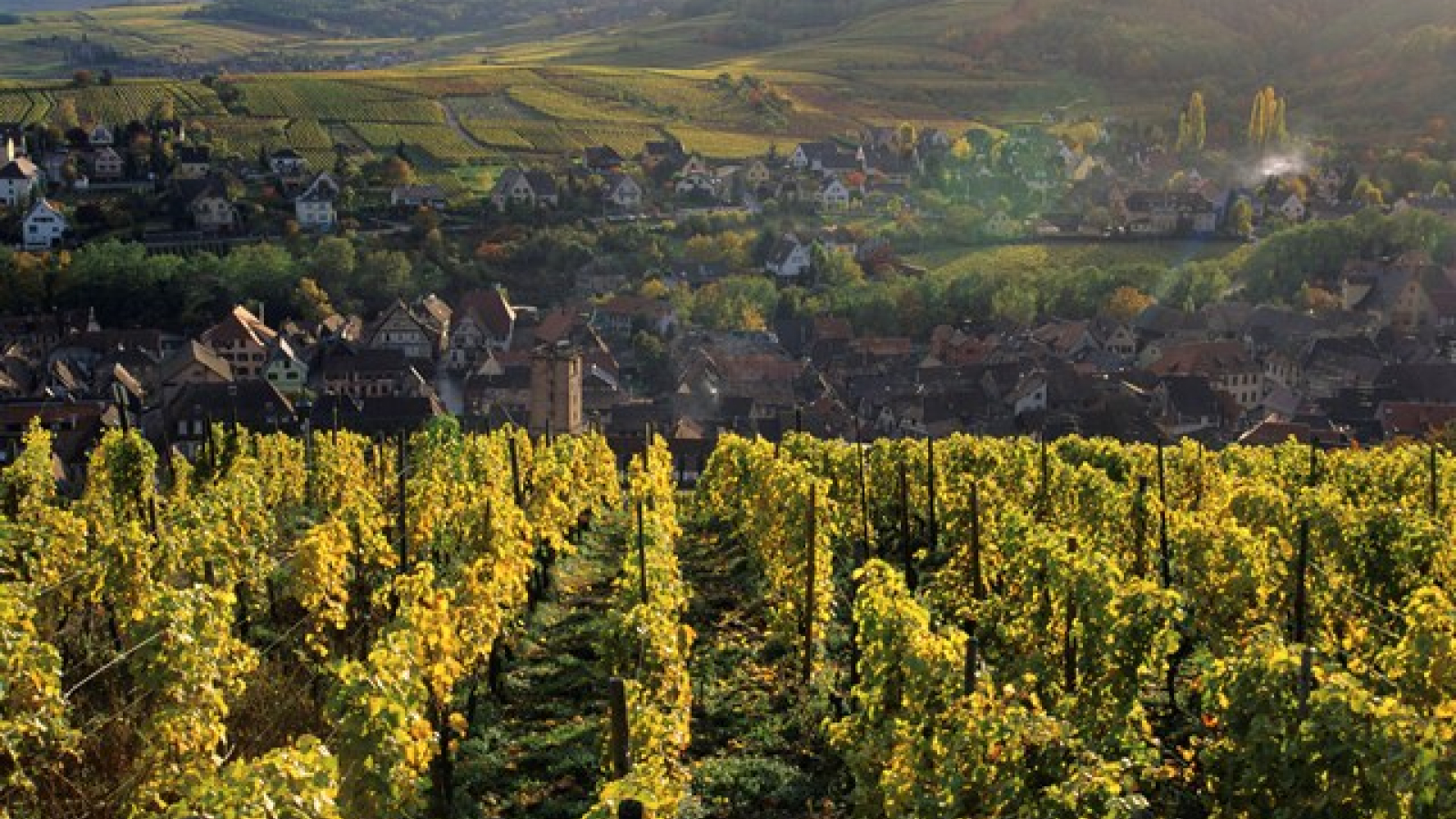
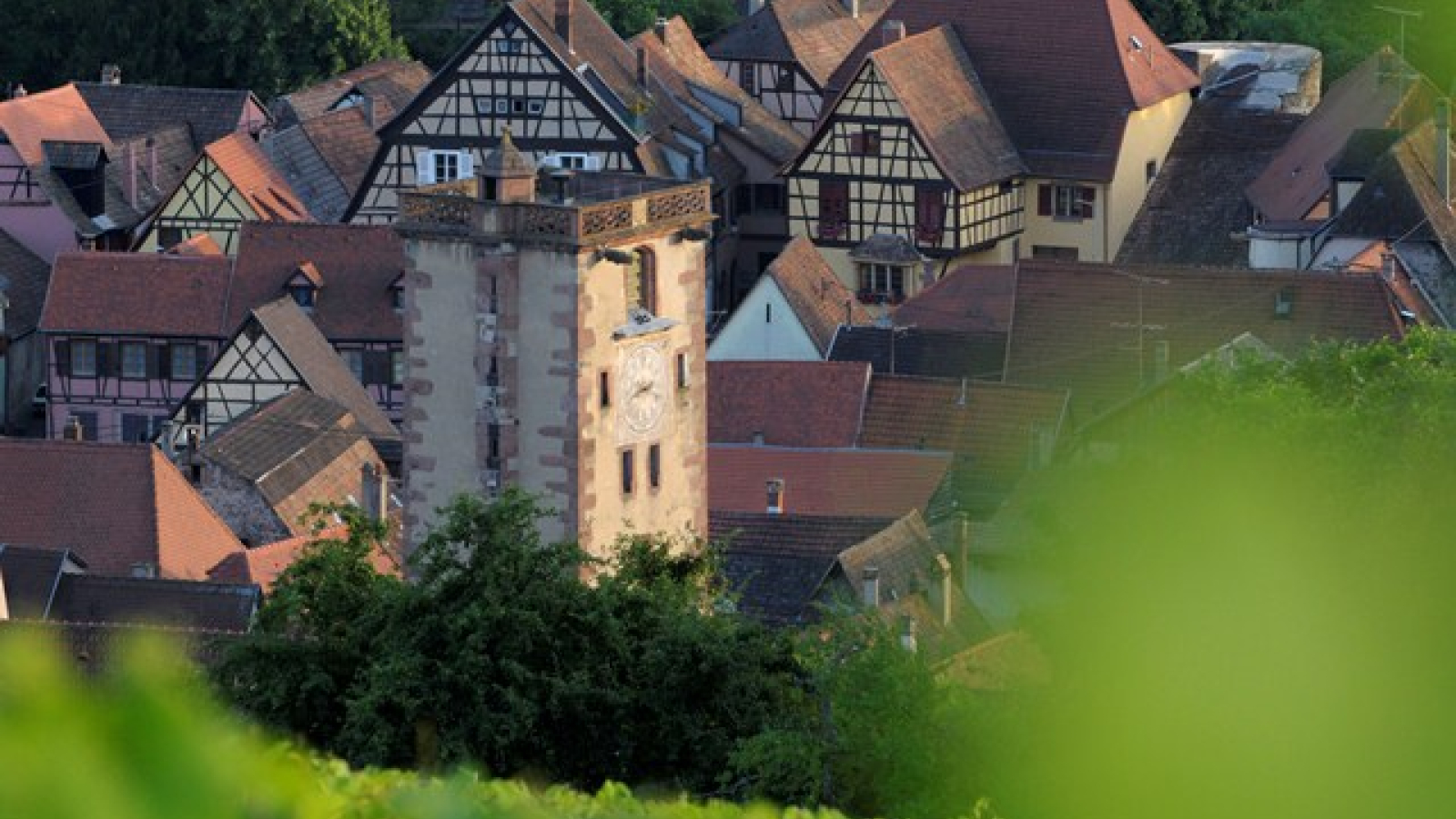
A bit of history The town's first name appears in the 8th century, under the reign of Pepin the Short: Radbaldovillare. This name from the contraction of the name of a landowner, Ratpold, and villae, a rural estate with farm buildings buildings and dwellings. In 1084, Emperor Henry IV of Franconia donated land called "Rapoldestein" to the Bishop of Basel. The latter ceded it to one of his vassals, Lord Eguenolf d'Urslingen, who had married Emma, the last descendant of the Ribeaupierre family. In the Middle Ages, the town's destiny was closely linked to that of the Ribeaupierre lordly family. In the 13th century, Ribeauvillé became a true town, with an ancient core followed by the appearance of four districts: two upper towns and two lower towns. The town was fortified and four gates were built. At the end of the Thirty Years' War, Ribeauvillé came under French rule. Ribeauvillé is also known for its wine heritage, which has shaped the town. Three Grands Crus can be found in the commune: Geisberg, mainly planted with Riesling, Kirchberg de Ribeauvillé and Osterberg. The Ménétriers festival or "Pfifferdaj" is the finest legacy of Ribeauvillé's historic past. of Ribeauvillé. The oldest event in Alsace, it has preserved the traditions, costumes, colors and renown of hundreds of musicians and troubadours who have gathered in Ribeauvillé since the 14th century.
Additional information
- Type of hiking trail : paved road